Why a Verified Plate Network Matters for Car Owners in the UK
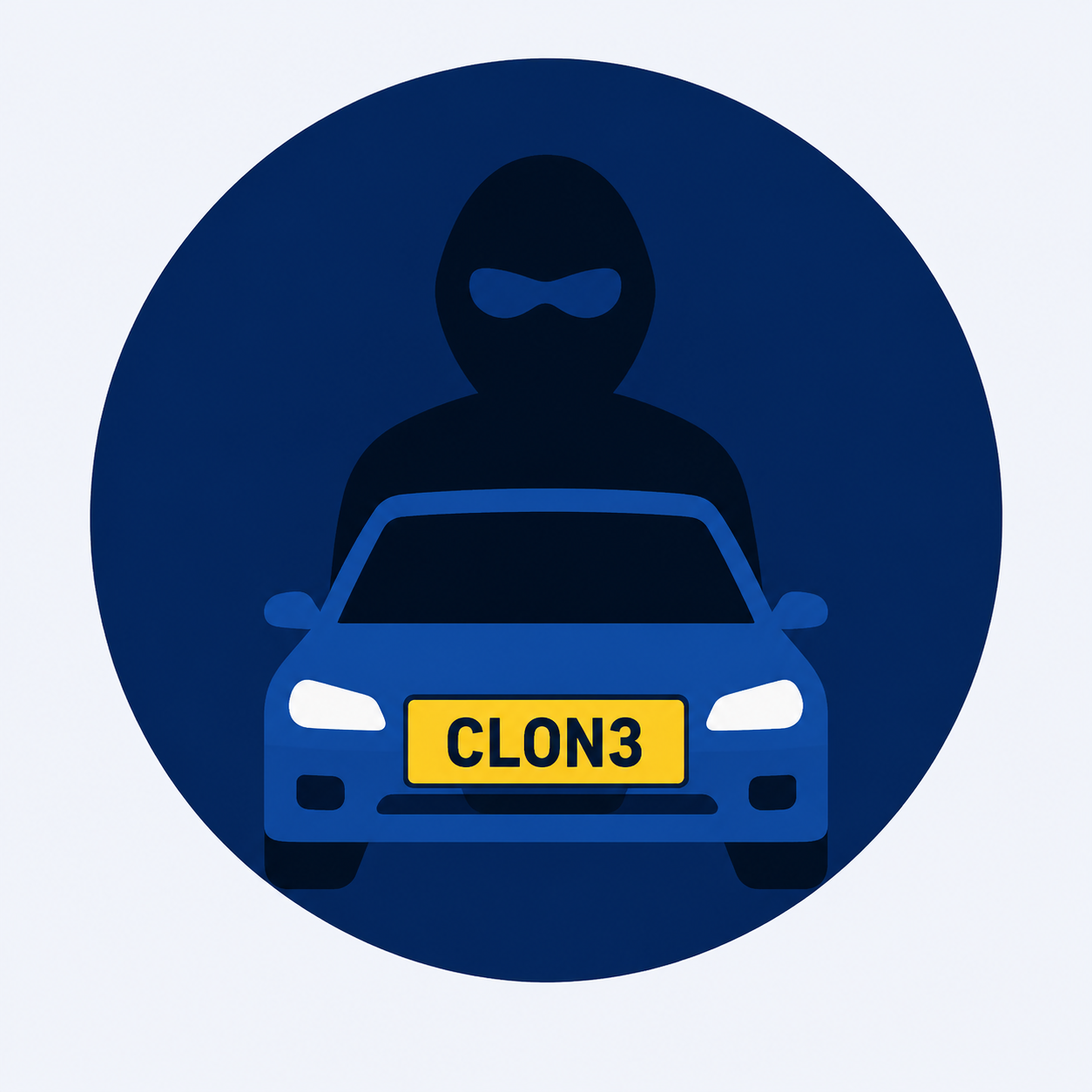
Number plate cloning is a problem that quietly affects thousands of motorists each year. It happens when a vehicle is fitted with plates that belong to another car, usually a legally registered one with an identical make, model and colour. The cloned plates then pick up speeding tickets, congestion charges and even criminal activity that all come back to the innocent owner. For anyone who drives in the UK, understanding how a verified plate network works can make the difference between being a victim and staying protected.
The concept is straightforward: instead of relying on isolated checks or hoping that the authorities catch the misuse, a verified plate network links together vehicle registration data, real-time alerts and identity verification so that any attempt to duplicate plates is flagged quickly. In practice, this means that when a set of plates is registered through the network, the system monitors for conflicts or unusual activity that might indicate cloning. It is a proactive approach, rather than waiting for a fine to land on the doorstep. protect-a-plate verified plate network
How Number Plate Cloning Happens
Cloning is not a sophisticated crime in terms of execution. The fraudster obtains the registration number of a legitimate vehicle, often by simply noting it down in a car park or from an online listing. They then order replica plates from a supplier that does not check the documentation thoroughly. The cloned car can then be driven with impunity, because any penalty or offence is recorded against the real owner's registration.
The consequences for the victim can be severe. They receive penalty charge notices for parking or bus lane violations they never committed. They might be accused of speeding in locations they have never visited. In more serious cases, the cloned vehicle could be linked to fuel theft or other crimes. Sorting out the mess requires time, evidence and correspondence with multiple agencies. Even when the matter is resolved, the victim's vehicle record can remain complicated for years.
The Role of a Verified Plate Network
A verified plate network addresses the root cause: the lack of a reliable check between the plate on the vehicle and the identity of the owner. By establishing a central system where registrations are confirmed and monitored, the network creates a barrier that cloners find much harder to bypass. When a legitimate owner registers their plates through such a network, the system records the official details and can then cross-reference those details against any new requests or reports that involve the same registration.

If a cloned set of plates is used somewhere and that usage is flagged, the network sends an alert. The owner knows immediately that something is wrong, rather than discovering it months later when a debt collection letter arrives. This speed of notification is critical, because it allows the owner to report the cloning to the police and the DVLA while the trail is still fresh.
What the System Checks
When you join a verified plate network, the process typically involves confirming that you are the registered keeper of the vehicle. This can be done through a secure online check against DVLA records or by submitting evidence of ownership. Once your identity is linked to your registration number, the network starts monitoring for any of the following:
- Multiple vehicles claiming the same registration number in different locations.
- Penalty or toll charges that do not match your vehicle's known movements.
- Attempts to change the registered address or keeper details without your authorisation.
- Reports from other network members or enforcement agencies about possible misuse.
Each alert is investigated, and if cloning is confirmed, the network helps you take the right steps to protect your identity and your vehicle's records.
Beyond the Basic Checks
The benefit of a verified plate network goes beyond just flagging problems. It also acts as a deterrent. When cloners know that a particular registration is protected by an active monitoring system, they are far less likely to target that vehicle. They prefer easy targets, and a network that will instantly report any duplication makes their job much harder.
There is also a practical side for the owner. Instead of having to check for fines manually or rely on memory, the network does the monitoring in the background. This is particularly useful for people who own multiple vehicles, or for businesses that operate fleets. For a fleet manager, a cloned plate on one lorry can lead to a cascade of fines and administrative headaches that disrupt operations. Being part of a verified plate network gives them a single point of oversight.
That is where the protect-a-plate verified plate network comes into the picture. It is designed specifically for UK motorists who want a straightforward way to protect their registration from cloning and fraud. The network combines real-time monitoring with secure identity verification, so that any attempt to misuse your plates triggers an immediate alert. For anyone who has ever dealt with the fallout of plate cloning, the peace of mind this provides is substantial.
How to Know If You Are at Risk
You do not have to drive an expensive car to be a target. Cloners often pick ordinary vehicles that blend in, because the aim is to avoid attention. A common trick is to clone a car that is the same model and colour as the one they are using, so that even a quick visual check does not raise suspicion. If you park in public car parks, leave your vehicle at an airport long-stay, or sell a car without removing the plates, you are at risk.
Warning signs include receiving penalty notices for locations you have not visited, being contacted about unpaid tolls that you do not owe, or finding that your vehicle's registration is linked to another keeper's details. If you notice any of these, it is worth acting quickly. The longer cloning goes undetected, the harder it becomes to untangle the records.
What to Do If You Suspect Cloning
- Do not ignore any notice that seems wrong, even if it is for a small amount.
- Contact the issuing authority and explain that your plates may have been cloned.
- Report the matter to the police and get a crime reference number.
- Notify the DVLA and request a check on your vehicle's record.
- Consider joining a verified plate network to prevent future incidents.
Each step helps build a paper trail that will be useful if the matter escalates. The key is to act quickly, because delays can let the cloner continue using your identity.
Why a Network Approach Is Better
Standalone solutions, such as tamper-proof screws or physical plate covers, can slow down a cloner but they do not stop them. A determined fraudster can still order replica plates if they have your registration number. What they cannot do is bypass a system that actively monitors the use of that registration and cross-checks it against your identity. The network approach adds a layer of security that is not dependent on the physical plate itself.
For businesses that rely on their vehicles, the case for joining a verified plate network is even stronger. A single cloned plate on a company van can result in multiple fines, each requiring administrative time to contest. The cost in staff hours and potential legal fees can quickly outweigh the small investment in protection. Moreover, a company's reputation can suffer if its vehicles are linked to criminal activity, even if the company is the victim.
The protect-a-plate verified plate network is built around the idea that prevention is better than cure. It does not wait for a problem to arise; it actively watches for anomalies and alerts you the moment something does not match. For the average car owner, that level of vigilance is difficult to maintain alone. The network does it for you, and it does it continuously.
Practical Considerations
Joining a verified plate network is usually a simple process. You provide your vehicle registration and confirm your identity through a secure check. After that, the system takes over. You do not need to install any hardware on your car, and you do not need to change your plates. The protection is in the data, not the metal.
It is worth checking that the network you join is recognised and that it works with the relevant authorities. The protect-a-plate verified plate network is designed to integrate with existing DVLA processes and law enforcement systems, so that the alerts you receive are actionable. When you get an alert, you know it is genuine and that you have the evidence to back it up.
For anyone who values their time and wants to avoid the stress of dealing with cloned plate incidents, joining a verified plate network is a sensible step. It does not eliminate every risk, but it dramatically reduces the chance of being caught out. And in the rare event that cloning does happen, you find out immediately, not months later.
 Twitter
 Facebook
 Instagram